No products in the cart.
How to Retrofit an R-22 System: A Field Sequence
Choosing the replacement is the easy part — our R-22 replacement guide covers that. Doing the conversion so it holds is where retrofits succeed or generate a callback three weeks later.
1. Find and fix the leak first
A system low on charge is low for a reason. Converting a leaking system means doing the job twice and losing the new refrigerant as well as the old. Locate it properly before anything else — see leak detection methods compared.
2. Record baseline performance
Before you recover anything, take suction and discharge pressures, superheat, subcooling, and supply and return air temperatures. After the conversion you need something to compare against. Without a baseline, “it does not seem as cold” is an argument you cannot win.
3. Recover fully
Recover the R-22 completely — not most of it. Residual R-22 mixed with the new blend gives you a refrigerant that matches no PT chart and cannot be diagnosed. Recovered gas goes back to the owner’s equipment or to a certified reclaimer; it may not be resold (why that distinction matters).
4. Deal with the oil — or deliberately do not
If you chose a POE-based replacement like R-407C, this is the labour. Drain the compressor, flush, refill, and expect to repeat the oil change on systems with long line runs — residual mineral oil hides in the evaporator and returns later as logging.
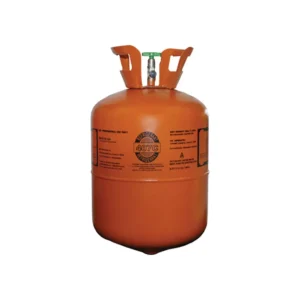
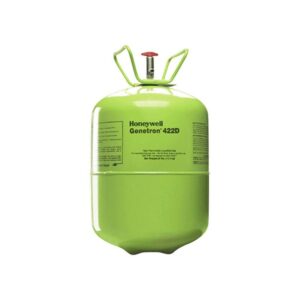
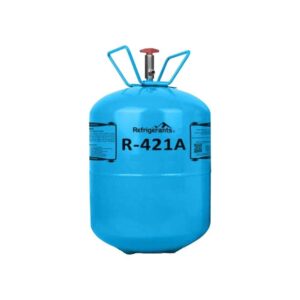
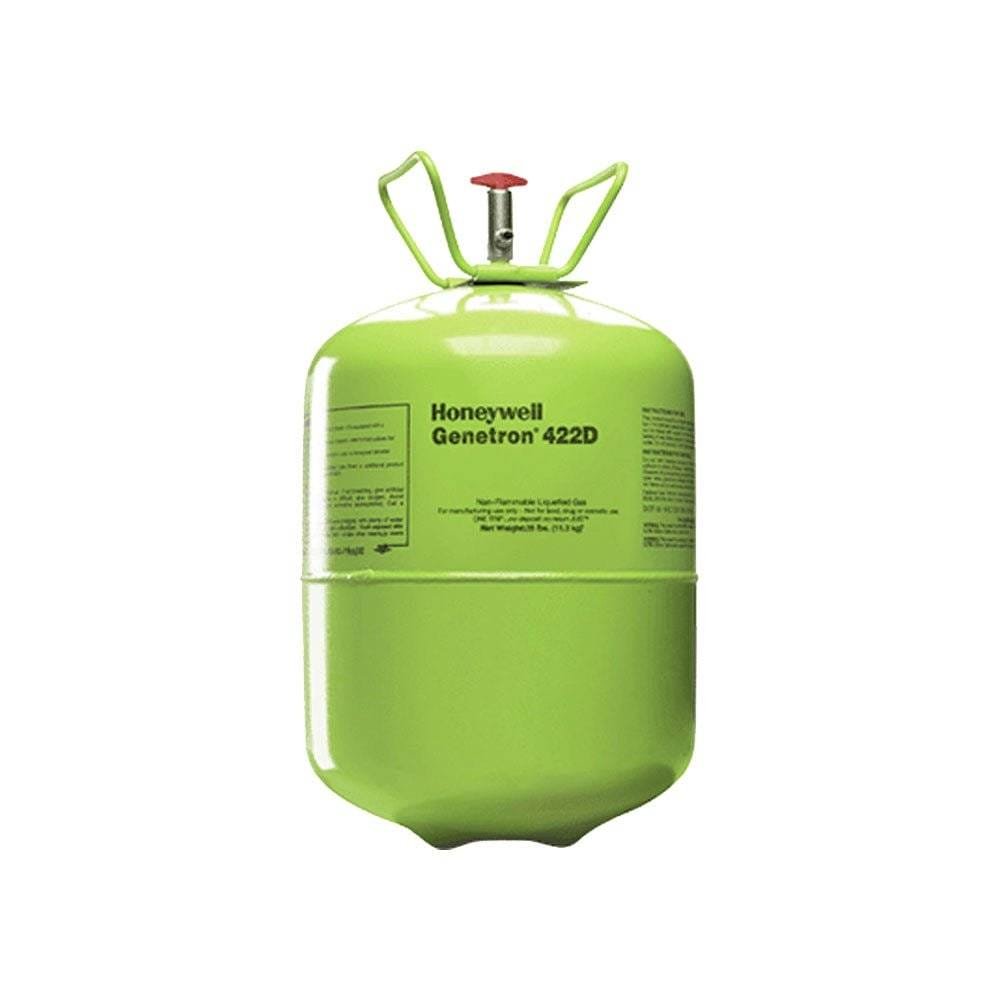
If you chose a mineral-oil-compatible blend — R-422D, R-438A, R-421A — you skip this step entirely. That is the whole point of them (compared here).
5. Replace the filter drier
Always. It is inexpensive, it is the component most likely to be holding contamination from the system’s previous life, and skipping it is the most common cause of a retrofit failing months later.
6. Evacuate properly
Pull to 500 microns and confirm it holds with the pump isolated. A decay test that climbs means moisture or a leak, and charging over either wastes the refrigerant you just bought.
7. Charge as a liquid, by weight
Every R-22 replacement is a blend. Vapour charging shifts the composition and you end up with something other than what is on the label. Throttle liquid into the suction line with the system running, or into the high side with it off.
Read superheat against dew point and subcooling against bubble point — see temperature glide explained. Expect to adjust the TXV.
8. Label the system
Refrigerant, oil type, date, your company. The next technician has no other way to know what is in it, and unlabelled retrofits are how systems accumulate three refrigerants over a decade.
The three most-skipped steps
- Baseline readings before recovery
- The filter drier
- The label
None of them takes long. All three are why a retrofit either holds for years or comes back.
Products covered in this guide
Virgin, factory-sealed cylinders. Free shipping across the US.