No products in the cart.
R-134A vs R-1234yf: The Automotive AC Transition
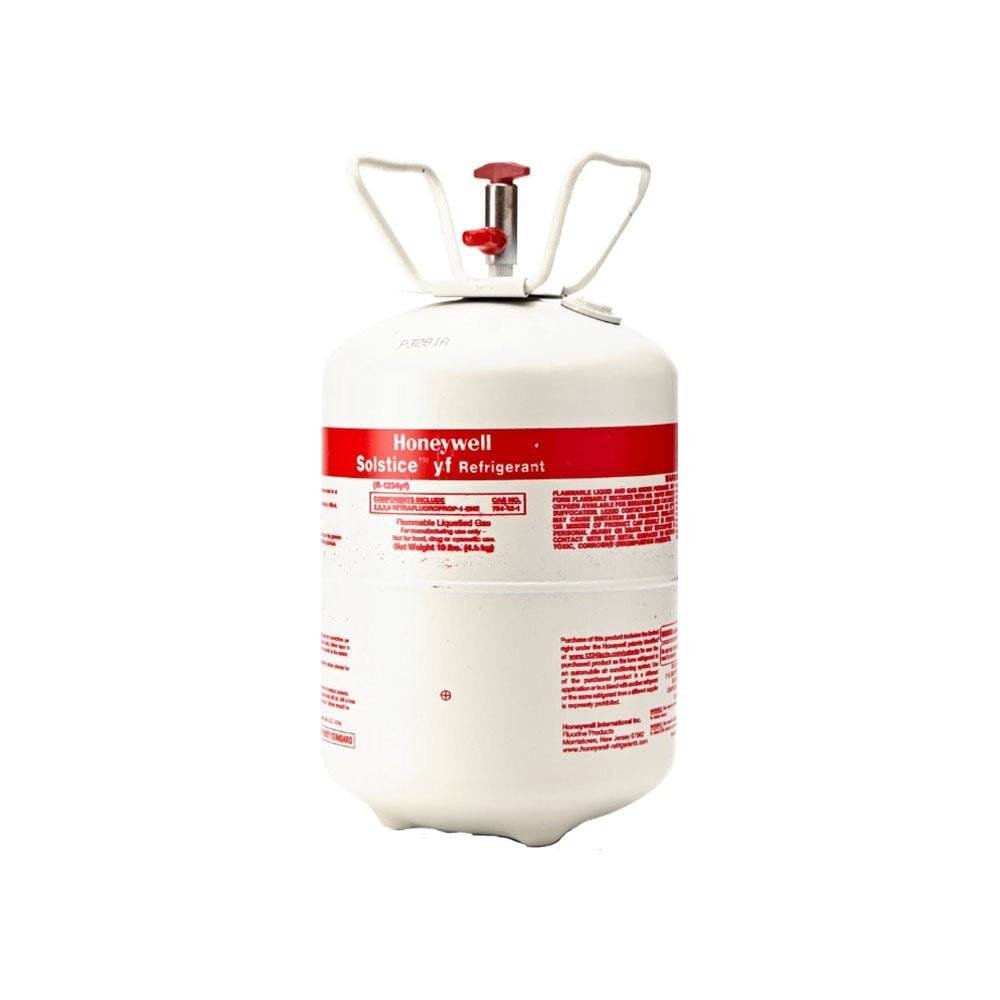
For thirty years automotive air conditioning meant R-134A. Then regulation caught up with its global warming potential of roughly 1,430, and manufacturers moved to R-1234yf, which comes in under 1.
If you service vehicle AC, you now need both — and you cannot treat them as one product.
What is actually different
Thermodynamically, less than you might expect. R-1234yf was chosen partly because its properties sit close to R-134A, so system architecture carried over with modest changes. Pressures and capacity are broadly comparable.
The differences that matter are practical:
- R-1234yf is A2L, mildly flammable. R-134A is A1 and will not burn.
- Service ports differ deliberately, so you cannot cross-charge by accident.
- Recovery equipment must be A2L-rated. An R-134A machine is not.
- Cost per pound is substantially higher for R-1234yf, which changes how you quote a recharge.
Do not cross-charge
Putting R-134A into an R-1234yf system is not a shortcut, it is contamination. The vehicle manufacturer’s specification is void, the refrigerant identifier at the next shop will flag it, and recovering a mixed charge means the whole cylinder is now mixed refrigerant that has to go to a reclaimer.
This is why shops running both keep entirely separate recovery equipment. It is an investment, but a single cross-contamination event costs more.
R-134A is not going away
Vehicles built before the transition are on the road for years yet, and R-134A also serves domestic and commercial appliances, medium temperature refrigeration and centrifugal chillers. Being a single compound with no temperature glide, it remains one of the simplest refrigerants to charge accurately.
What has changed is that it is no longer the default. Check the underhood label before you connect anything.
More on A2L handling requirements in what A2L means for service technicians.
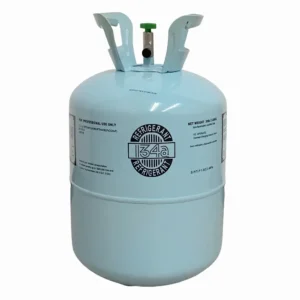
Products covered in this guide
Virgin, factory-sealed cylinders. Free shipping across the US.