No products in the cart.
Replacing R-404A: R-448A, R-449A and R-452A Compared
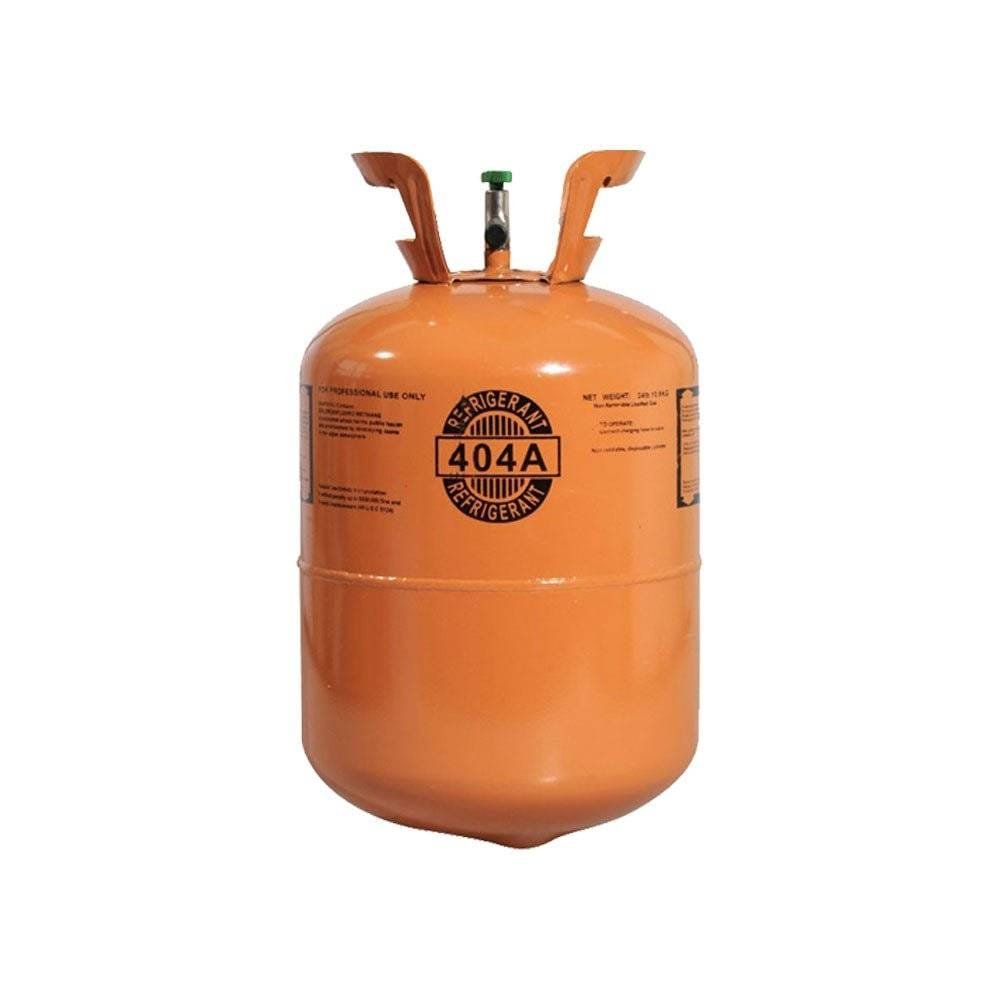
R-404A ran commercial refrigeration for two decades — walk-ins, display cases, ice machines, transport. It works, technicians know it, and it is still widely available. It also has a global warming potential around 3,922, one of the highest of any refrigerant still in general use, and that number is why it is being designed out.
If you are specifying for a new build, or planning a conversion before the phase-down forces one, three blends dominate the conversation.
The short answer
- R-448A — supermarket racks and mixed-temperature systems; the most complete R-404A substitute
- R-449A — very similar performance, often chosen on availability or supplier preference
- R-452A — transport refrigeration and anywhere discharge temperature is the constraint
R-448A and R-449A: near-twins
These two are close enough that many operators treat them as interchangeable at the specification stage. Both are HFO/HFC blends, both cut GWP by roughly two thirds against R-404A, and both deliver capacity and efficiency at or slightly above what they replace.
Both require POE oil, so converting an R-404A system is straightforward — R-404A already runs POE, which removes the single biggest obstacle that makes R-22 retrofits painful. Recover, replace, adjust, label.
Both also run higher discharge temperatures than R-404A. On low-temperature systems already operating near the compressor’s limit, that matters — check the manufacturer’s envelope before committing, and expect to consider additional cooling on some racks.
Both carry significant temperature glide, more than R-404A’s near-zero. That changes how you read superheat and subcooling, and it means charging as a liquid is not optional.
R-452A: built for the road
R-452A cuts GWP by roughly half against R-404A rather than two thirds — less of a reduction than R-448A or R-449A. In exchange it keeps discharge temperatures much closer to R-404A.
That trade is exactly right for transport refrigeration. A trailer unit runs hard, in ambient heat, far from a service van. Keeping the compressor inside its familiar operating envelope is worth more than the extra GWP reduction, and it is why R-452A became the standard choice for refrigerated transport.
What about R-407A?
R-407A is an older HFC blend that also replaces R-404A at a meaningfully lower GWP. It is typically cheaper than the HFO blends and remains a reasonable choice for medium-temperature work or where budget drives the decision. It does not reach the GWP reductions of R-448A or R-449A, so for a system you expect to run for fifteen years it is worth checking how the phase-down schedule treats it.
Practical notes for the conversion
The oil is already right. R-404A systems run POE. This is the easiest category of conversion in the industry — nothing like an R-22 retrofit.
Charge as a liquid. All three have real glide — considerably more than R-404A, which is near-azeotropic. That changes how you read superheat and subcooling; see temperature glide explained.
Check discharge temperature under load. Not at commissioning on a mild day — on the hottest day the system will see.
Re-evaluate the TXV. Glide changes superheat behaviour and some valves will need adjustment or replacement.
All three are stocked in single cylinders and in quarter, half and full pallets. If you are converting a site rather than a single case, pallet pricing is where the cost comes out.
Converting a whole site? See buying refrigerant by the pallet for how the tiers price out.
Torn between the two closest options? See R-448A vs R-449A.
Products covered in this guide
Virgin, factory-sealed cylinders. Free shipping across the US.
 R448A N40 Refrigerant 25 | Arctic Prince Original price was: $400.00.$170.00Current price is: $170.00.
 R449A Refrigerant 25 LB | Arctic Prince Original price was: $400.00.$170.00Current price is: $170.00.
 R452A Refrigerant 25 LB | Arctic Prince Original price was: $400.00.$170.00Current price is: $170.00.
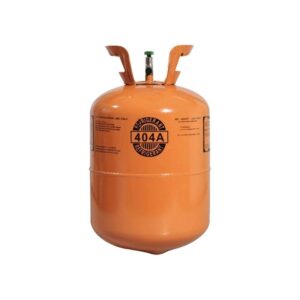 R404A Refrigerant 24 LB Price range: $160.00 through $3,000.00