No products in the cart.
Refrigerant Cylinder Sizes: How Much Do You Actually Need?
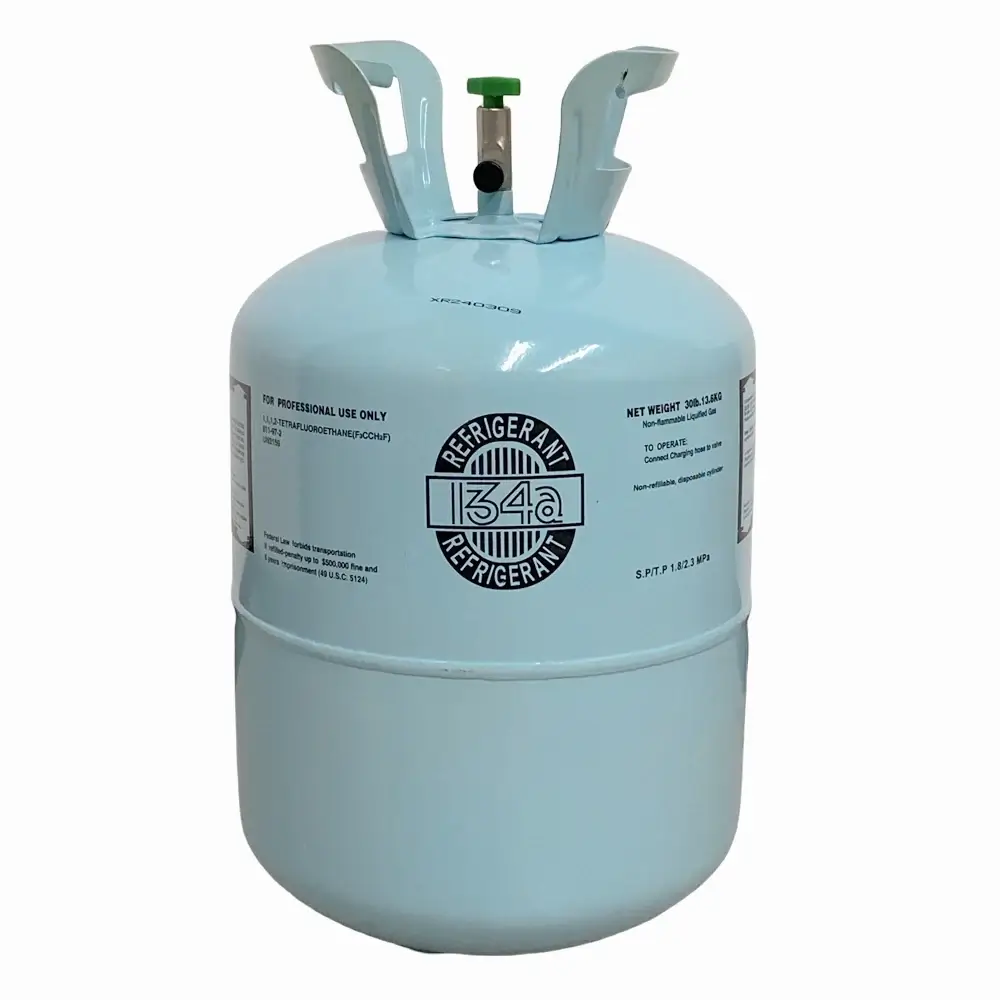
Refrigerant comes in a wide range of cylinder sizes, and the temptation is to buy the biggest one because the per-pound price is lowest. That works until you are carrying six half-full cylinders of different refrigerants and none of them has enough left for the job in front of you.
The common sizes
- 2.5 LB — small sealed systems, appliance work, minor top-ups
- 5 LB and 7.5 LB — partial charges, van stock across several refrigerant types
- 10 LB and 11 LB — residential split systems, small commercial
- 25 LB — the standard service size for most modern blends
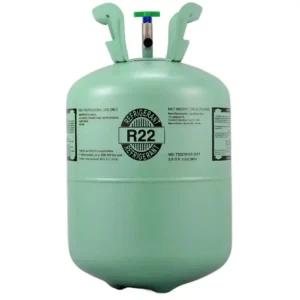
- 30 LB — the traditional R-22 service cylinder
Why 25 LB became the standard
Most modern replacement blends ship in 25 LB cylinders rather than the 30 LB that R-22 used. It is enough for a full residential or light commercial charge with margin, while staying manageable to lift onto a roof.
If you are stocking R-427A, R-422D, R-448A or most other current blends, 25 LB is what you will be buying.
Stocking a van
The practical approach most technicians land on:
- Full-size cylinder of your primary refrigerant — the one most calls need
- Smaller cylinders of the secondary types — coverage without the weight
- One partial for top-ups — so you are not opening a fresh cylinder to add two pounds
Weight adds up faster than people expect. A 25 LB cylinder plus valve and steel is heavier than the label suggests, and six of them is a meaningful payload.
Buying in volume
Once you know which size you turn over fastest, pallet pricing on that one size is where cost comes down — see buying refrigerant by the pallet.
All cylinders are virgin and factory sealed, shipped in DOT-compliant hazardous materials packaging with free delivery. Federal law restricts refrigerant sales to EPA Section 608 certified technicians.
Products covered in this guide
Virgin, factory-sealed cylinders. Free shipping across the US.